The Ministry of justice of Tatarstan discussed a bill on the expansion of republican powers in the field of traffic
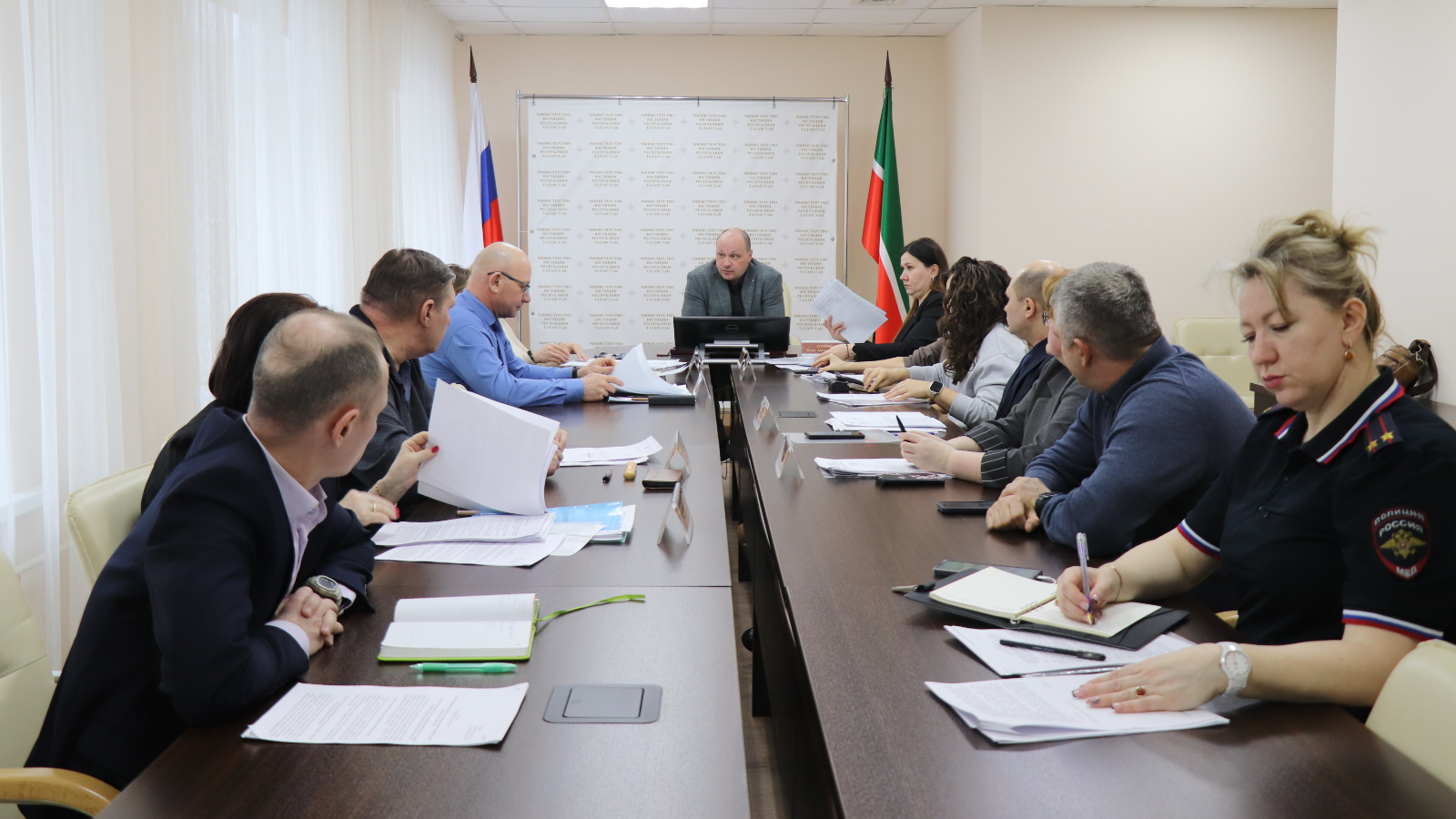
Today the Ministry of justice of the Republic of Tatarstan hosted a meeting of the working group of the Interdepartmental coordinating committee on legal issues. The meeting discussed the draft federal law «On amendments to article 23.79 of the Code of administrative offences of the Russian Federation».
The draft law is aimed at creating a legal framework for the implementation by the executive authorities of the Republic of Tatarstan of the powers to consider cases of administrative offenses in the field of traffic, in particular, related to violations of the rules of stopping and parking vehicles.
«The Republic of Tatarstan ranks eighth among Russian regions in terms of population and tenth in terms of vehicle fleet. One of the most acute problems is the massive violation of parking rules on city streets and in courtyards», - the meeting noted.
Cars parked with violations not only pose a threat to road safety, but also hinder the work of emergency services, which causes legitimate complaints from citizens.
«Practice shows that the detention of vehicles is an effective measure to combat such violations. However, currently such a decision can only be made by traffic police officers, whose number is limited», - they explained during the discussion.
The draft law stipulates that the transfer of powers will be carried out within the framework of an agreement between the Ministry of internal affairs of Russia and the Cabinet of Ministers of the Republic of Tatarstan. The implementation of the initiative will not require additional expenditures from the federal budget and will be carried out at the expense of the republican budget.
«The adoption of the bill will reduce the burden on traffic police officers, reduce administrative costs and increase responsiveness to violations. This will contribute to maintaining law and order on the roads and creating a comfortable urban environment», - one of the participants in the discussion emphasized.
Such powers are already being successfully implemented by the executive authorities of Moscow, St. Petersburg, Sevastopol and the Moscow region. Following the meeting, the members of the working group decided to support this bill and further promote the initiative.